GameStop vs. Berkshire Hathaway: A Realistic Comparison
Traders are buzzing about GameStop mimicking Berkshire's playbook. Here's what you actually need to know.
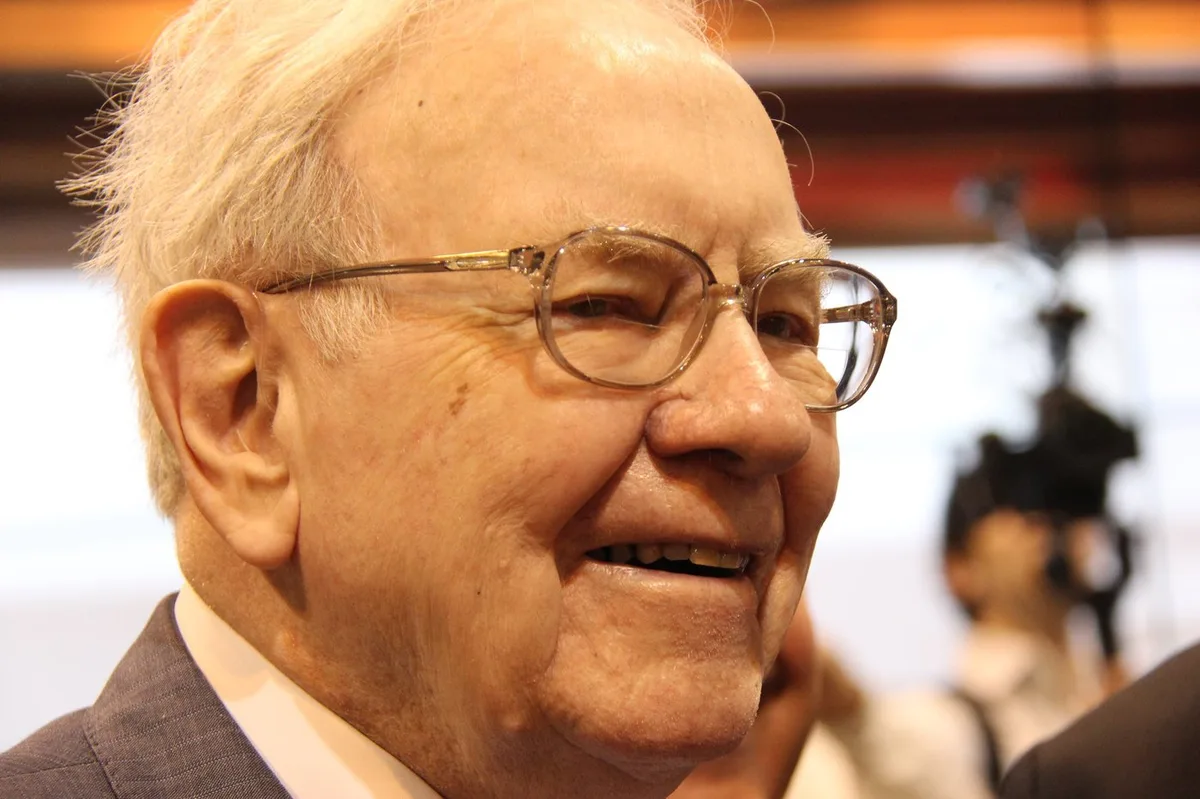
The idea that GameStop could become the next Berkshire Hathaway is making the rounds again, and honestly, it deserves a hard look before you put a single dollar on the line. Berkshire built its empire through decades of disciplined capital allocation, buying cash-generating businesses at reasonable prices. GameStop's situation is fundamentally different — and you need to understand that gap before you get swept up in the narrative.
The comparison likely stems from GameStop's recent pivot away from its struggling retail core, with the company sitting on a war chest of cash and exploring new ways to deploy it. That's the surface-level similarity. Warren Buffett, however, had a clear, repeatable investment philosophy from day one. GameStop is still figuring out what it wants to be when it grows up.
Read more BoE's Mann: Fewer Rate Hike Bets Are Why She'd Hike More →
For retail traders, the Berkshire comparison is a double-edged sword. On one hand, it signals that GME bulls are hoping management transforms idle cash into something productive and lasting. On the other hand, it can create dangerous expectations. Berkshire took generations to build. Betting on GameStop to replicate that in a few years is a high-risk proposition — not a value play.
The meme-stock DNA hasn't left GameStop either. Price action remains volatile and sentiment-driven, which is the opposite of how Berkshire trades. If you're in GME, know exactly what you own: a speculative turnaround story with cash on hand, not a proven compounding machine. Trade it like the former, not the latter.
Continue reading at Yahoo Finance.