Hormuz Oil Tanker Traffic Surges After US-Iran Sea Deal
A new US-Iran agreement has reopened the Strait of Hormuz to oil tankers, sparking questions about long-term governance of the vital shipping lane.
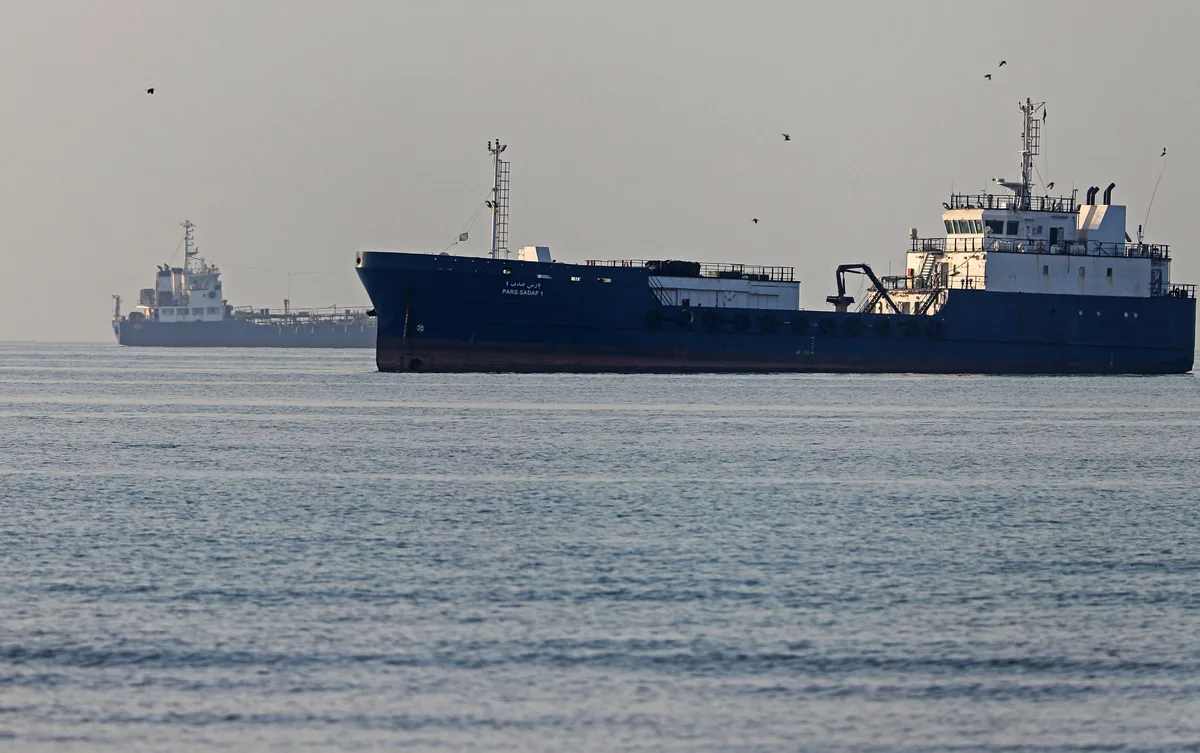
Oil tanker traffic through the Strait of Hormuz jumped sharply after the United States and Iran hammered out a deal to reopen one of the world's most critical shipping chokepoints. That's a big deal — roughly 20% of global oil supply moves through that narrow corridor, and any disruption sends energy markets into a tailspin fast.
The agreement cleared the lane for toll-free passage, at least for now. Traders watching crude prices know exactly what this means: near-term supply anxiety fades, bearish pressure on oil builds. If you were long energy names on Hormuz-closure fears, this is your wake-up call to reassess your position sizing.
Read more BoE's Mann: Fewer Rate Hike Bets Are Why She'd Hike More →
But here's where it gets interesting. The deal is raising serious questions about who actually governs the strait once the toll-free window closes. That ambiguity isn't priced in yet. Washington and Tehran have a long history of agreements that unravel — and any sign of renegotiation could flip this trade on its head within hours.
Savvy traders aren't just watching the headline bounce. They're monitoring whether this deal holds structural weight or whether it's a short-term political move ahead of broader nuclear or sanctions talks. The Strait of Hormuz has been a geopolitical flashpoint for decades, and one deal doesn't change that underlying tension overnight.
The governance question is the sleeper risk here. When the toll-free period ends, who sets the rules, who enforces them, and what happens if either side walks? Those answers will determine whether this shipping lane stays open — or becomes the next catalyst for an oil price spike. Continue reading at US Top News and Analysis.