Iran Oil Shock Fades: What Traders Learned About Demand and China
Oil prices hit a 4-month low, down 30% from May's peak. Here's what the Iran shock revealed about global demand realities.
Oil just told you something important. Global crude prices dropped to their lowest point since the U.S.-Israeli conflict with Iran kicked off nearly four months ago — and that's a massive signal you shouldn't ignore.
We're talking about a 30%-plus collapse from the May peak. Remember when commodity experts were screaming about one of the worst supply shocks in history? The market just shrugged it off. That's your first lesson: fear premiums evaporate fast when demand isn't there to back them up.
Read more BoE's Mann: Fewer Rate Hike Bets Are Why She'd Hike More →
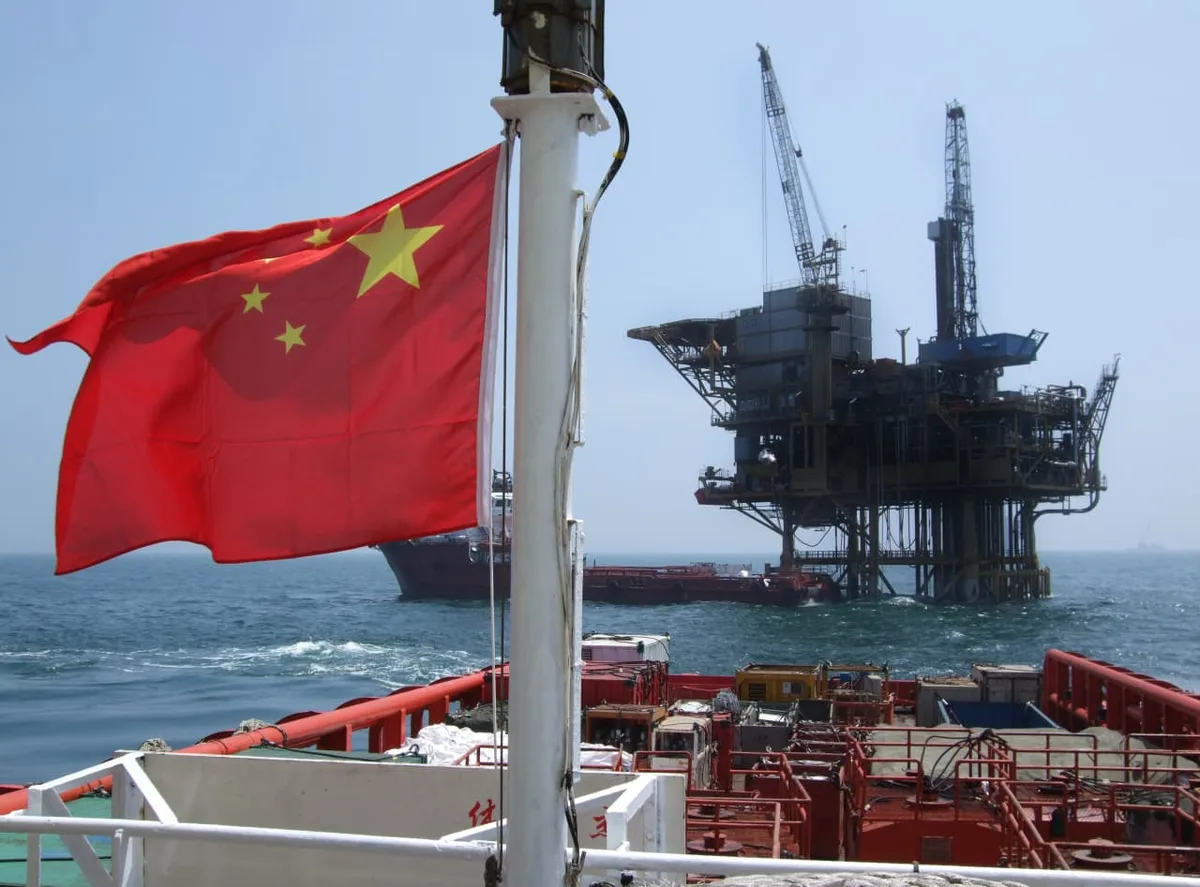
China is the story here. When the world's biggest crude importer isn't buying at the pace the bulls expected, no geopolitical headline can hold prices up forever. Traders who bet on sustained supply-shock rallies got burned because they underestimated how soft Chinese demand appetite has become. Macro fundamentals beat war premiums every single time.
The second lesson is about the gap between supply disruption headlines and actual market impact. Commodity experts flagged a potentially historic shortage — and yet prices reversed hard. That tells you the physical market found ways to adjust, reroute, or simply didn't need as many barrels as the panic crowd assumed. Always price in the adaptation, not just the shock.
If you're trading energy right now, the burden of proof is on the bulls. A 30% drawdown from peak despite an active military conflict in a major oil-producing region is a bearish structural signal, not a dip-buying opportunity — at least until China demand data shifts the narrative. Continue reading at MarketWatch.com