Iran Squeezes Strait of Hormuz, Pushing Oil Prices Up
Iran is tightening control over the Strait of Hormuz, rattling energy markets and sending crude prices higher.
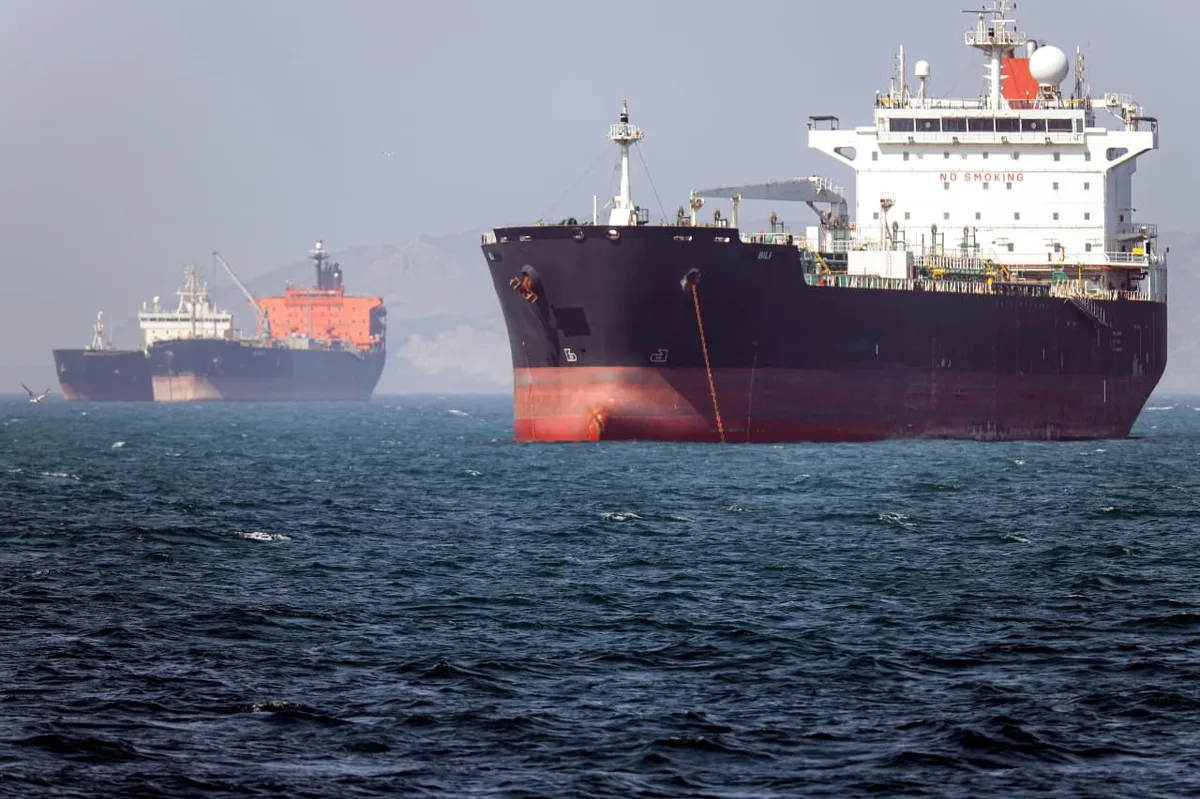
If you trade oil, you need to pay attention right now. Iran is asserting tighter control over the Strait of Hormuz — the narrow chokepoint that roughly 20% of the world's oil supply flows through — and markets are already reacting. Crude prices moved higher as traders priced in the risk of potential supply disruptions.
The Strait of Hormuz is one of the most strategically sensitive waterways on the planet. Any sign that Iran could restrict or threaten passage there sends an immediate shockwave through energy markets. That's exactly what's happening. This isn't theoretical risk — it's the kind of geopolitical flashpoint that can spike prices fast and without much warning.
Read more BoE's Mann: Fewer Rate Hike Bets Are Why She'd Hike More →
For traders, this is the setup that demands a clear-eyed read on your energy positions. A prolonged Iranian squeeze on the strait could push crude meaningfully higher, especially if tensions escalate into actual interdiction of tanker traffic. On the flip side, diplomatic developments or de-escalation could unwind the fear premium just as quickly.
The broader market impact isn't limited to oil. Higher energy prices feed directly into inflation expectations, complicate the Fed's rate calculus, and put pressure on transport and manufacturing stocks. Watch Brent and WTI closely — the strait situation is the variable that could move your whole portfolio, not just your energy plays.
Continue reading at MarketWatch.com