Iran War Energy Shock Pushes Gas and Diesel Prices Higher
Fuel prices are climbing as the Iran conflict rattles energy markets, and experts warn relief won't come fast even if fighting stops.
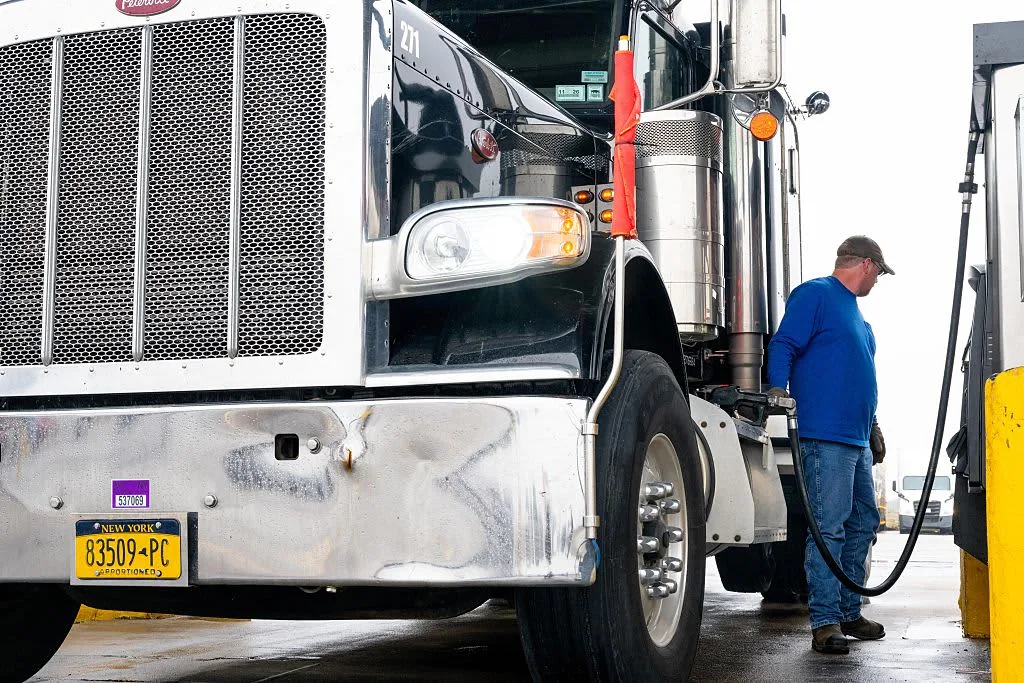
Gas and diesel prices are heading up, and here's the brutal truth: even a ceasefire won't bring them back down quickly. That's the core takeaway from the latest analysis on how the Iran war and Strait of Hormuz tensions are reshaping energy markets right now.
The Strait of Hormuz is one of the most critical oil chokepoints on the planet. A meaningful portion of global crude flows through that narrow passage, which means any military activity in the region sends shockwaves straight to the pump. You're already feeling it — and the situation suggests you'll keep feeling it for a while.
Here's what makes this moment different: there's a new asymmetry baked into the market. Prices shot up fast when the conflict escalated, but the structural forces at play mean they won't unwind at the same speed even if the guns go quiet. Supply chains, shipping insurance costs, and rerouting logistics don't just snap back overnight. Traders and consumers need to price that in.
Read more Strait of Hormuz Traffic Keeps Falling on Security Fears →
For retail traders, this is a moment to watch energy sector plays closely — refiners, oil majors, and fuel ETFs are all in motion. For everyday Americans, budget accordingly. Higher diesel doesn't just mean a painful fill-up; it ripples into freight costs, groceries, and virtually everything that moves by truck.
The Iran conflict has injected serious uncertainty into an energy market that was already navigating tight supply dynamics. Until there's both a credible de-escalation and actual logistical normalization, downside pressure on fuel prices remains limited. Plan accordingly.
Continue reading at US Top News and Analysis