Iran War Energy Shock Pushes Gas and Diesel Prices Higher
Fuel prices are climbing as the Iran conflict rattles energy markets, and traders shouldn't expect a quick reversal even if fighting stops.
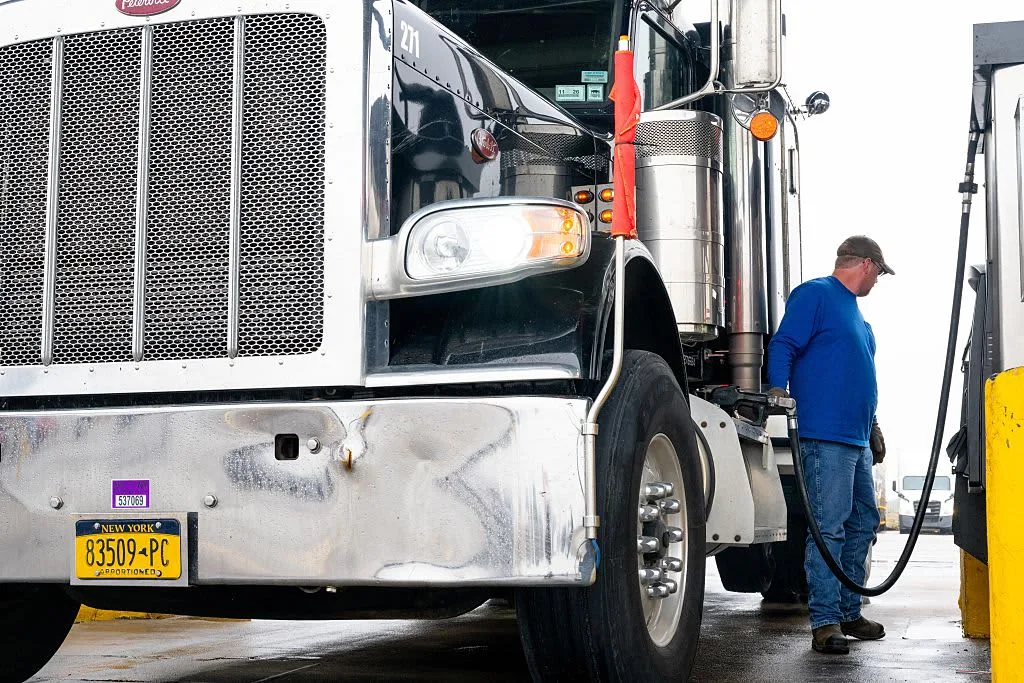
The Iran war isn't just a geopolitical headline — it's hitting your wallet right now. Gas and diesel prices are climbing, and the pressure is coming straight from the Strait of Hormuz, one of the most critical energy chokepoints on the planet. When that passage gets rattled, the whole global fuel supply chain feels it.
Here's what makes this cycle different: there's a new asymmetry baked into the market. Prices spike fast when conflict flares, but they don't snap back the same way when the guns go quiet. That means even a ceasefire or de-escalation in the Iran conflict won't automatically deliver relief at the pump. The damage to supply confidence lingers, and traders are pricing that risk premium into every barrel.
Read more Iran War Energy Shock Pushes Gas and Diesel Prices Higher →
For the U.S. economy, the timing is brutal. Higher diesel prices are a tax on everything — trucking, agriculture, manufacturing, last-mile delivery. It's an embedded cost that works its way through the supply chain and shows up in consumer prices weeks later. Gas prices hit consumer sentiment directly and fast, squeezing discretionary spending right when the economy can least afford it.
If you're trading, the energy sector just got a longer-duration tailwind than the headlines might suggest. Don't assume a diplomatic development automatically tanks oil. The structural supply anxiety now baked into this market has its own momentum. Watch refinery margins, diesel futures, and any shipping disruption data out of the Persian Gulf for your real signals.
Continue reading at US Top News and Analysis.