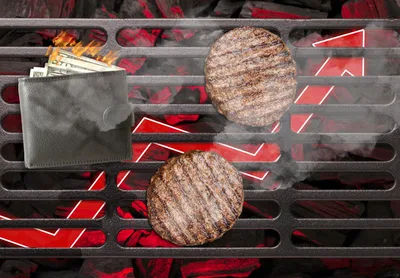
Kevin Warsh's Fed Shift Could Leave Your Portfolio Exposed
The incoming Fed chief may scrap the central bank's market safety net. Here's what that means for your trades.
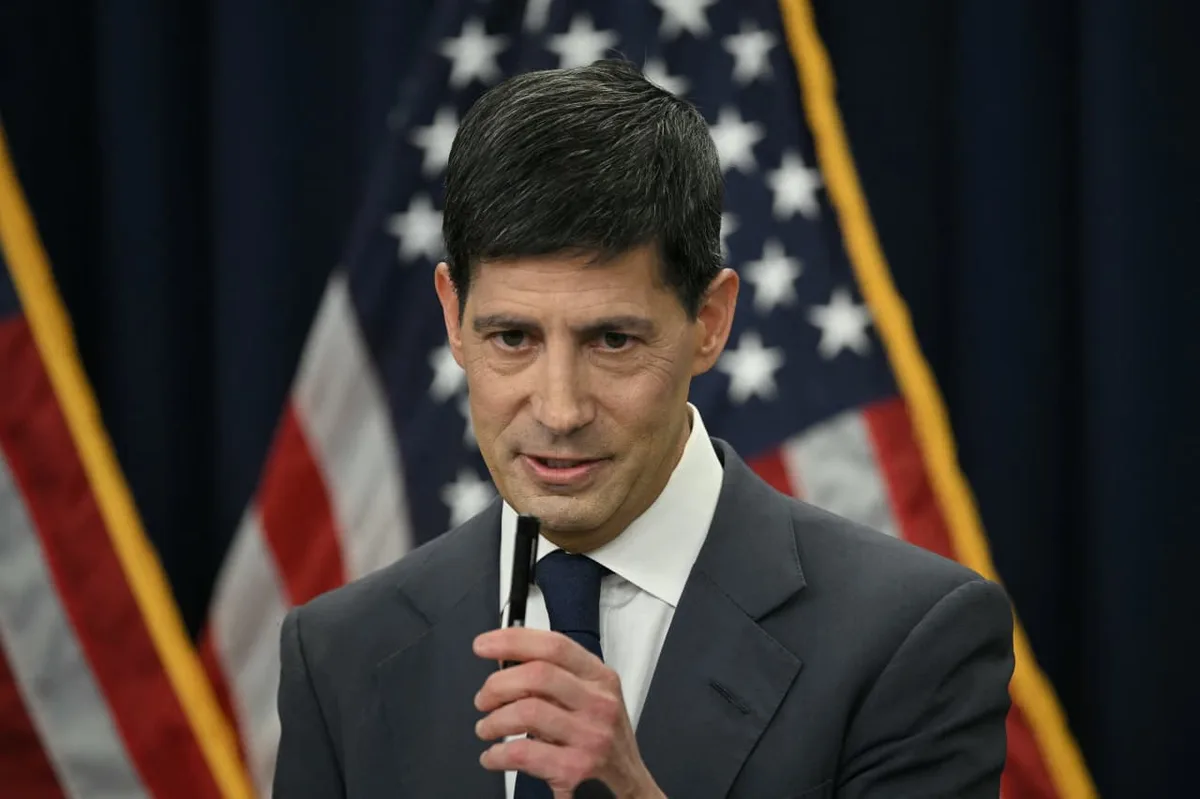
Kevin Warsh is shaping up to be the most disruptive Fed chair in a generation. If you've been trading with the assumption that the Fed will bail out markets when things get ugly, it's time to rethink your entire playbook. The so-called "Fed put" — that invisible floor under stock prices — may be getting yanked away.
Wall Street has spent years pricing in the idea that the central bank would ride to the rescue during sharp selloffs. Rate cuts, liquidity injections, soothing forward guidance — traders leaned on all of it. Warsh appears ready to ditch that approach, which means the market's unofficial guardrails are coming down. Volatility isn't a bug anymore. It might just be the new feature.
Read more BoE's Mann: Fewer Rate Hike Bets Are Why She'd Hike More →
For retail traders, this is a serious wake-up call. Strategies built on buying dips and trusting the Fed to backstop losses are now higher risk than they used to be. You need to stress-test your positions against a scenario where the central bank simply doesn't show up. That's not paranoia — that's the new reality Warsh is signaling.
Certain stocks are especially vulnerable in this environment. High-multiple growth names, speculative tech plays, and anything trading on vibes rather than fundamentals could get hit hardest when the safety net disappears. Value, cash flow, and balance sheet strength are going to matter more. Ignore that at your own risk.
The shift in Fed philosophy isn't just a macro talking point — it has real, direct consequences for individual positions. Get ahead of it now before the market fully reprices the risk. Continue reading at MarketWatch.com