Kevin Warsh Won't Just Cut Rates — Here's What That Means
Trump's Fed pick Kevin Warsh signaled a hawkish agenda, defying rate-cut expectations. Here's the tradeable impact on your portfolio.
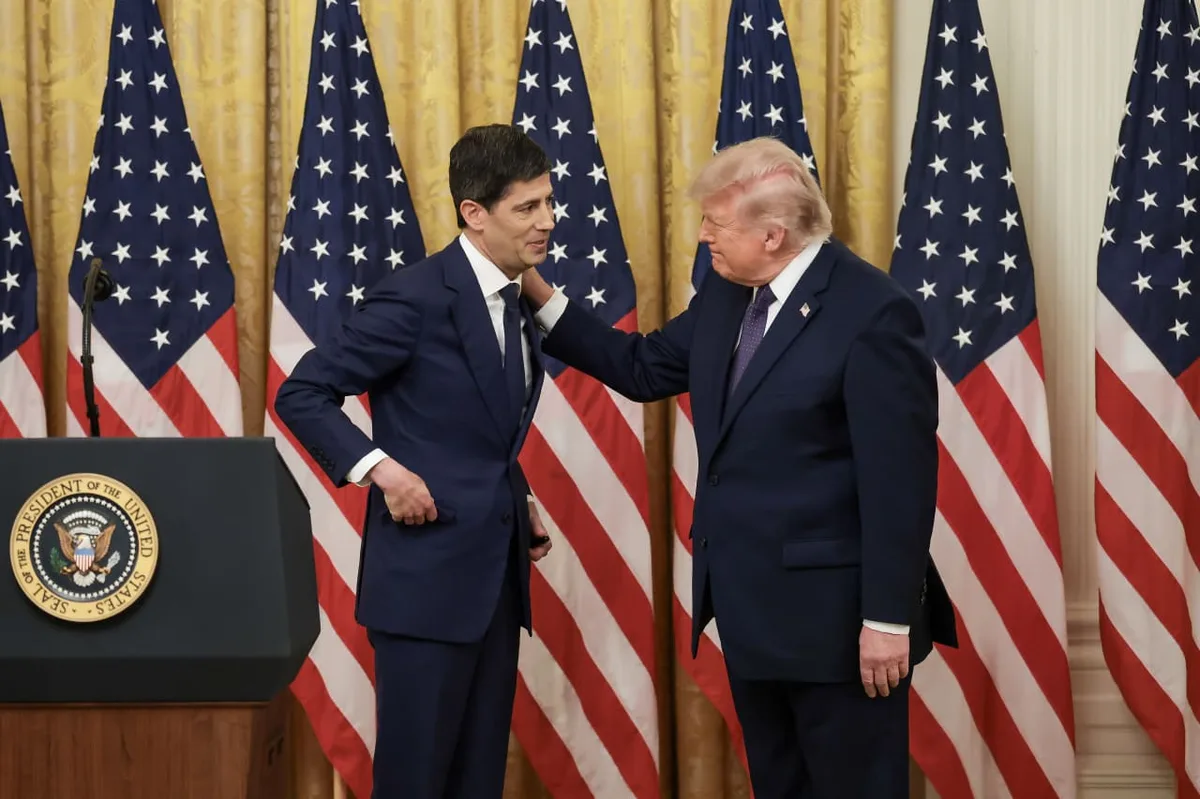
If you thought Trump's Federal Reserve pick was going to ride in and slash rates, think again. Kevin Warsh — widely expected to be the next Fed chief — has made it clear he's not playing the easy-money game. That changes the calculus for every rate-sensitive trade you're holding right now.
Warsh has a reputation as one of the more hawkish voices in central banking circles. His signal that he has plans beyond simply cutting rates suggests the Fed under his leadership could prioritize inflation discipline over growth stimulus. That's a big deal when markets have been pricing in multiple cuts over the next 12 months.
Read more BoE's Mann: Fewer Rate Hike Bets Are Why She'd Hike More →
What does that mean for your money? Bond traders should pay attention — yields could stay elevated longer than the consensus expects. Rate-sensitive sectors like utilities, real estate investment trusts, and high-growth tech names tend to get punished in a higher-for-longer environment. If Warsh follows through on a hawkish posture, the reflation trade loses steam fast.
There's also a political dimension worth watching. Trump reportedly picked Warsh with the expectation of lower borrowing costs to juice the economy. If Warsh charts an independent course, that tension between the White House and the Fed could itself become a market-moving story — and volatility loves that kind of uncertainty.
Bottom line: don't assume the next Fed chair is going to be your portfolio's best friend. Position accordingly — and stay nimble. Continue reading at MarketWatch.com.