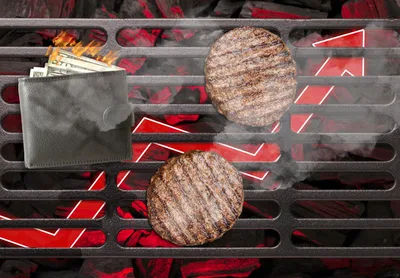
Oil Logs Biggest Quarterly Drop in 6 Years as Supply Fear Fades
Crude prices crater for the quarter as Hormuz workarounds and slowing China imports cool the supply crunch panic.
Oil just had its worst quarter in six years, and if you've been watching energy stocks, you felt every bit of it. The historic supply crunch that had traders white-knuckling their positions has finally started to ease — and the market is repricing fast.
Two forces drove the reversal. First, traders and exporters found workable routes around the Strait of Hormuz, the Persian Gulf chokepoint that had been the central anxiety of the entire crude rally. When the workarounds held, the fear premium evaporated. Second, China — the world's biggest crude importer — pulled back on purchases, draining one of the key demand pillars that had been propping prices up.
Read more BoE's Mann: Fewer Rate Hike Bets Are Why She'd Hike More →
That combination is brutal for oil bulls. You lose the supply scare AND the demand story at the same time. That's not a dip — that's a trend shift. Energy traders who rode the geopolitical panic trade up are now staring at a very different setup heading into the next quarter.
The practical takeaway: cheaper oil filters into lower gas prices, reduced input costs for manufacturers, and potential relief on inflation readings. That's a macro tailwind for the broader market, even if it stings anyone holding crude or oil-sector names. Watch whether OPEC+ responds with production cuts — that's the wildcard that could flip this narrative back in a hurry.
Continue reading at MarketWatch.com