Oil Prices Back to Pre-War Levels, But Crude Market Isn't Normal Yet
Oil has retraced its war-driven spike, but shipping, supply, and demand remain far from settled. Here's what traders need to watch.
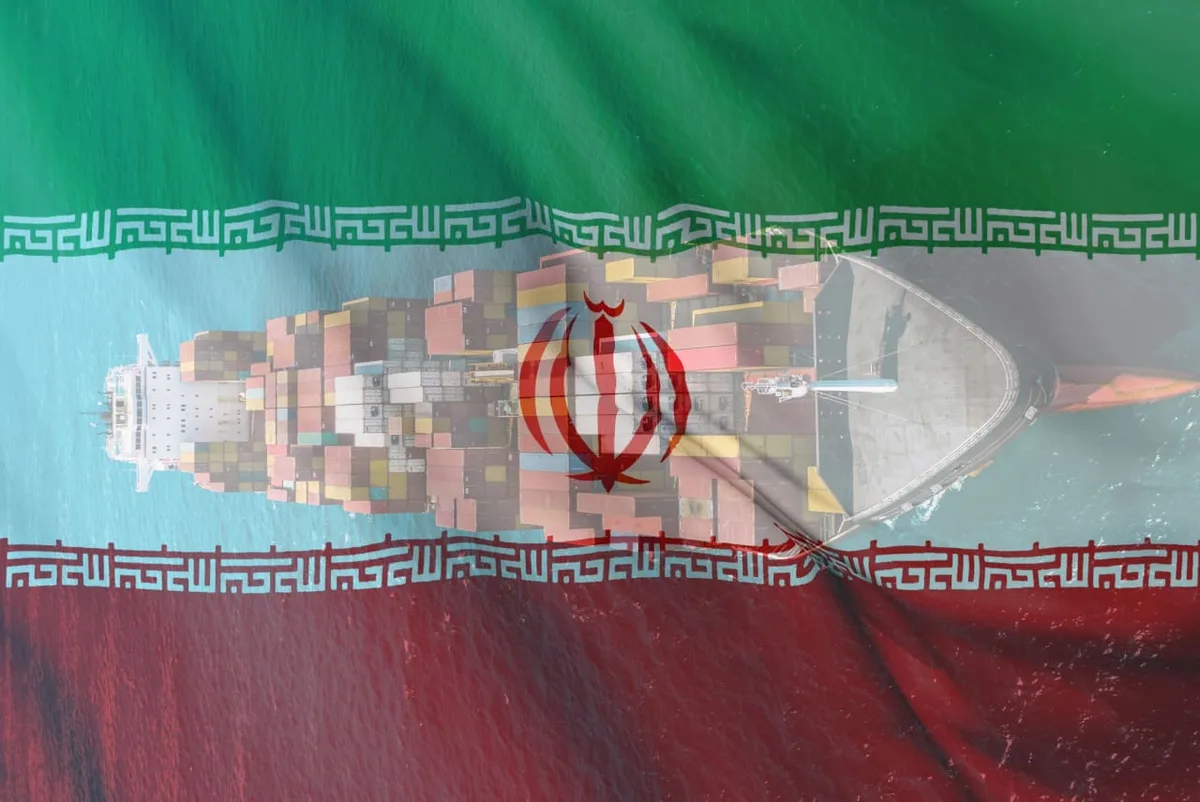
Oil prices have clawed all the way back to where they were before Iran-related tensions sent crude surging — and on the surface, that looks like a clean reset. Don't be fooled. The price tag returned to baseline, but the underlying market structure hasn't caught up. Shipping routes, supply chains, and demand signals are still out of whack in ways that a simple price chart won't show you.
When a geopolitical shock drives oil higher and then fades, you'd expect a full normalization — tankers moving freely, inventories rebuilding, buyers locking in steady contracts. That hasn't happened here. The retreat in crude prices is running ahead of the physical market's ability to actually settle down, which creates a gap between what the futures market is pricing and what's really happening on the ground.
Read more BoE's Mann: Fewer Rate Hike Bets Are Why She'd Hike More →
For traders, that disconnect is both a risk and an opportunity. If the physical market tightens again — whether from renewed Middle East friction, unexpected demand from Asia, or supply hiccups — prices could snap back hard and fast. You're essentially trading a market that looks calm on the surface but still has live wires underneath.
The bearish case is straightforward: if tensions stay quiet and supply keeps flowing, the price drop becomes self-reinforcing. But the bullish case hasn't been killed off either. Shipping disruptions don't vanish overnight, and any escalation re-prices crude almost instantly. You want to stay nimble here, not complacent.
Continue reading at MarketWatch.com