Oil Prices Climb After Fresh US and Iran Strikes in Middle East
Crude surges as renewed military activity between the US and Iran rattles supply routes and sparks risk-on energy trades.
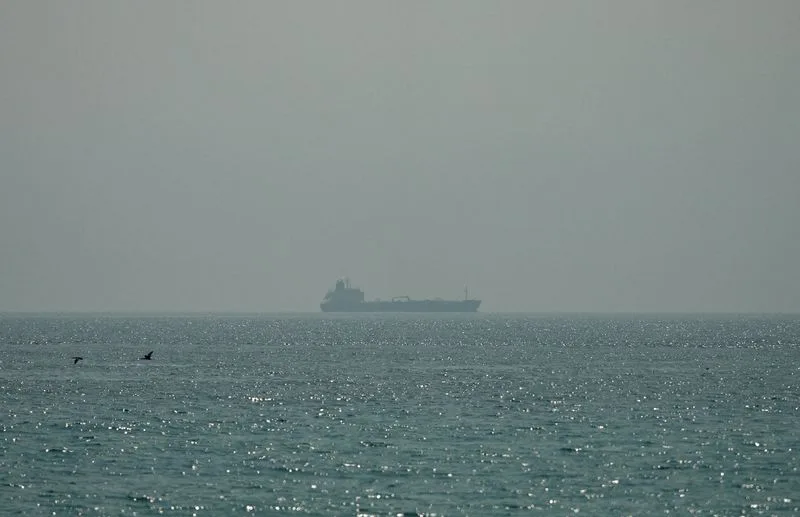
Oil is moving higher and traders are paying attention. Fresh strikes involving the US and Iran in the Middle East are back on the tape, and energy markets are repricing risk in real time. When missiles fly in that region, the first instinct is to buy crude — and that instinct is playing out right now.
The Middle East remains the world's most critical oil-producing corridor. Any credible threat to supply lines, tanker routes, or regional infrastructure sends a jolt through Brent and WTI alike. This latest escalation is no different. Prices climbed as the headlines broke, reflecting how thin the market's comfort zone really is when geopolitical heat turns up.
Read more BoE's Mann: Fewer Rate Hike Bets Are Why She'd Hike More →
For active traders, this is the kind of catalyst that can extend a move fast. Momentum in oil tends to feed on itself during conflict flare-ups — buyers pile in, shorts cover, and the move amplifies. The key question is always duration: a one-day spike or the start of a sustained rally? That depends entirely on whether the situation escalates further or cools off quickly.
Keep your eye on official statements from both Washington and Tehran, tanker traffic data through the Strait of Hormuz, and any OPEC+ reaction. Those are your real-time signals. Right now, the tape is telling you supply risk is back on the table — and the market is pricing it accordingly.
Continue reading at Yahoo Finance.