Oil Tops $70 as U.S.-Iran Deal Eases Middle East Tension
A U.S.-Iran agreement to halt hostilities pushed oil prices higher, with U.S. crude climbing back above the $70-per-barrel mark.
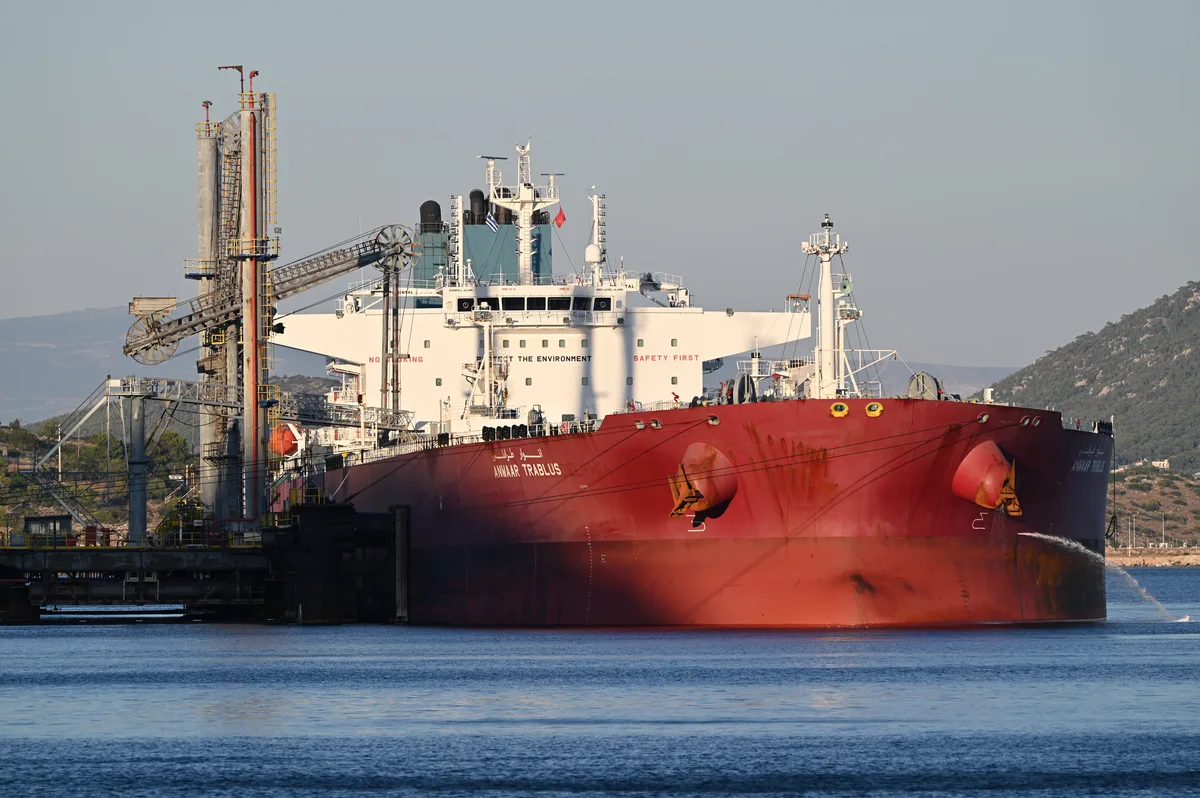
Oil is back above $70 a barrel, and the catalyst is straightforward: the U.S. and Iran hammered out a deal to stop recent attacks in the Middle East. That geopolitical relief valve opened, and crude prices moved higher almost immediately.
For traders, $70 is more than just a round number — it's a psychological level the market has been wrestling with. Breaking back above it signals that the risk premium tied to Middle East conflict hasn't disappeared, but it's being repriced fast now that a ceasefire-style agreement is on the table.
Read more BoE's Mann: Fewer Rate Hike Bets Are Why She'd Hike More →
The U.S.-Iran relationship has been one of the most volatile fault lines in global energy markets for years. Any escalation in that corridor threatens shipping lanes and regional supply chains. A deal that dials down hostilities removes at least one headline risk that had been keeping traders on edge.
Don't get complacent, though. Middle East agreements have a way of unraveling. Watch price action at $70 closely — if it holds as support, bulls have a case. If the deal shows cracks, crude could give back these gains just as fast as it captured them. Stay nimble and size accordingly.
Continue reading at US Top News and Analysis