Strait of Hormuz Reopens, But Economic Pain Is Already Locked In
Early signs of Hormuz reopening ease the worst energy fears, but analysts say months of economic damage can't be quickly reversed.
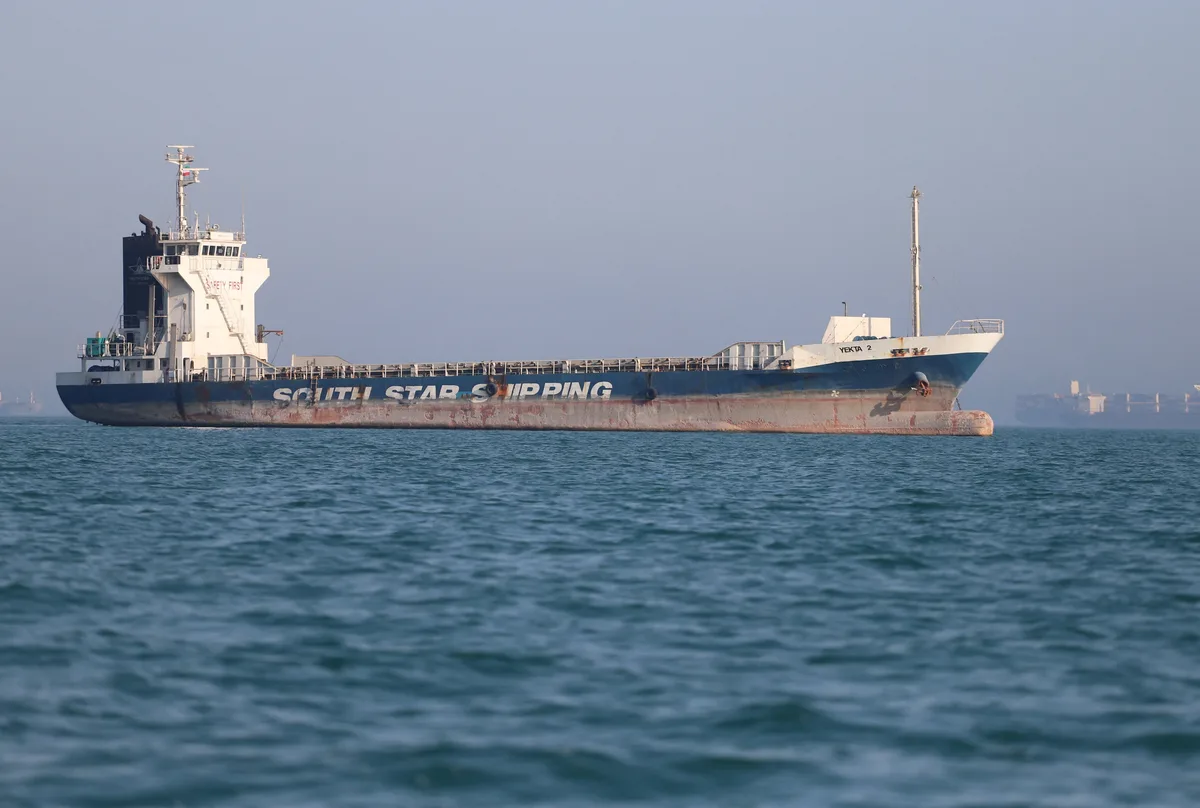
The Strait of Hormuz is showing early signs of reopening, and markets are breathing a little easier. That's the good news. The bad news? The economic hit from the conflict that choked this critical waterway isn't going anywhere fast. Analysts are warning the damage is already "baked in" — and a reopened strait doesn't undo it overnight.
Think of it this way: supply chains don't snap back like a rubber band. The weeks of disrupted energy flows through one of the world's most vital shipping chokepoints have already rippled into pricing, logistics, and business planning across the globe. Companies made costly decisions. Contracts were rerouted. Those costs don't vanish the moment a shipping lane reopens.
Read more BoE's Mann: Fewer Rate Hike Bets Are Why She'd Hike More →
For traders, this is a classic "buy the rumor, sell the news" setup with a twist. Yes, the acute threat to global energy supplies appears to be easing. But the underlying economic toll — embedded in elevated freight rates, tighter inventories, and shaken business confidence — could linger for months. Don't mistake relief in crude prices for a clean all-clear signal.
Analysts are specifically flagging that the war's economic consequences will take months to unwind. That timeline matters if you're positioned in energy, shipping, or anything downstream from Middle East supply chains. Short-term relief rallies are real, but the structural drag is also real. Know which trade you're actually making.
Continue reading at US Top News and Analysis.