Tech Fear Gauge Nears 20-Year High: What It Means for You
A little-watched tech volatility index is flashing red near two-decade highs, signaling traders should pay close attention.
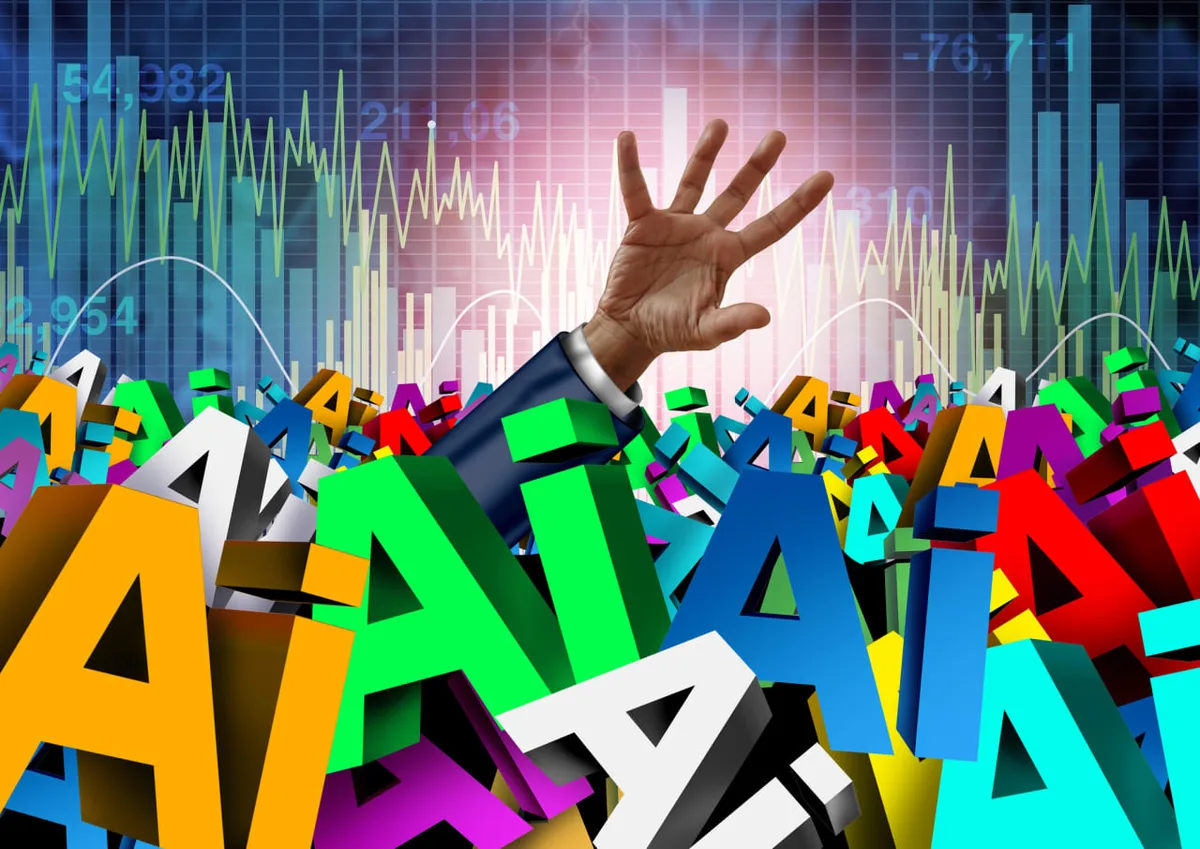
Forget the VIX for a second. There's another fear gauge out there, and it's screaming louder than Wall Street's go-to volatility measure right now. This tech-focused index is creeping toward levels not seen in nearly twenty years — and that's not a stat you brush off.
The standard VIX tracks broad S&P 500 volatility, but tech stocks move differently. They're higher beta, more sentiment-driven, and way more sensitive to rate expectations. A dedicated tech fear gauge captures that nuance in ways the VIX simply can't. When that specialized index spikes toward multi-decade highs, it's telling you fear inside the sector is running at a completely different temperature than the headline number suggests.
Read more BoE's Mann: Fewer Rate Hike Bets Are Why She'd Hike More →
Here's why this matters to your portfolio: if you're holding big-cap tech names or any Nasdaq-heavy ETFs, the broader VIX reading may be lulling you into a false sense of calm. The real volatility risk is baked into the sector itself, not the index average. Traders who rely solely on VIX as a hedge signal could be dramatically underprotected right now.
Near two-decade highs on any fear metric is a tradeable signal. It can mean one of two things — either a genuine breakdown is coming, or fear has become so extreme that a contrarian snap-back rally sets up. Either way, sitting flat and ignoring it is the worst move. Adjust your position sizing, check your hedges, and don't let a complacent VIX reading fool you into thinking tech is fine.
Continue reading at MarketWatch.com