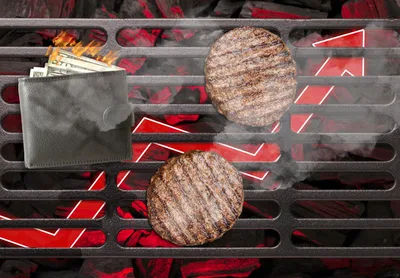
Two Hidden Inflation Triggers That Could Push the Fed to Hike
It's not just oil driving inflation fears. Two under-the-radar pressures could force the Fed's hand on rates.
Forget oil. Every trader is laser-focused on crude as the inflation bogeyman, but that's the obvious play — and the obvious play rarely wins. The real risk sitting underneath the surface involves two less-discussed inflation drivers that could catch markets completely off guard if the next PCE report lands hot.
The PCE inflation report is the Fed's preferred measuring stick, and it's the number that will either give Wall Street a green light or send rate-hike fears surging back into the conversation. One ugly print and the entire soft-landing narrative gets torched. You need to be positioned before that data drops, not after.
Read more BoE's Mann: Fewer Rate Hike Bets Are Why She'd Hike More →
Here's the tradeable reality: when the Fed talks about being "data dependent," PCE is the data they mean. If those hidden inflation triggers show up in the numbers, Jerome Powell doesn't have the luxury of staying patient. A rate hike goes from a tail risk back to a live debate — and that's a completely different market environment than the one most portfolios are built for.
The bond market will react first. Watch the two-year Treasury yield as your real-time signal. If it spikes on the PCE release, equities — especially rate-sensitive growth names — are going to feel immediate pain. Cash isn't a bad place to park some exposure heading into the print.
Bottom line: stop treating inflation as a one-variable equation. Oil matters, but it's the hidden triggers that will decide whether the Fed pivots or tightens. Stay alert, keep position sizes manageable around the release, and don't let the consensus lull you into complacency. Continue reading at MarketWatch.com