US National Debt Tops $40 Trillion: What It Means for Your Money
The US debt milestone just crossed $40 trillion. Here's how it could shake your portfolio in 2026 and beyond.
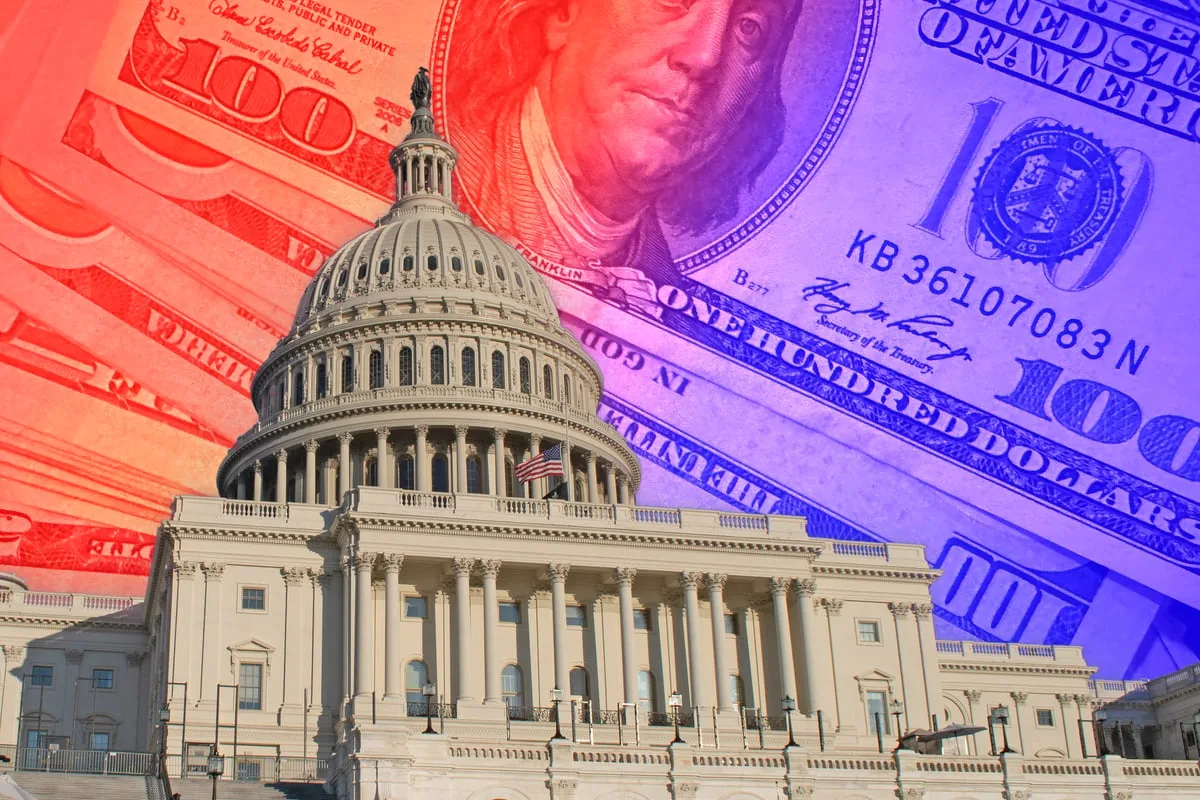
The US national debt just blew past $40 trillion, and if you're not thinking about what that means for your investments, you probably should be. This isn't just a headline number politicians argue about on cable news — it's a structural force that shapes interest rates, inflation, and ultimately every asset class you hold.
When the government owes this much, it has to keep borrowing to pay the bills. That relentless demand for fresh capital puts upward pressure on Treasury yields. Higher yields mean higher borrowing costs across the entire economy — mortgages, auto loans, corporate debt. For equity investors, that's a headwind, because expensive debt compresses company margins and shrinks the present value of future earnings.
Read more Mortgage Rates Jump Higher This Week: What Buyers Should Know →
Bond traders already have this on their radar, but retail investors often don't. If yields keep climbing in response to debt supply, the classic 60/40 portfolio takes hits on both sides simultaneously. That's not a theoretical risk anymore — 2022 already proved it can happen. Position accordingly: shorter-duration bonds, inflation-protected securities, and real assets deserve a harder look right now.
The dollar is another wildcard. Sustained deficit spending at this scale can erode confidence in the greenback over time. A weaker dollar is historically good for commodities, international equities, and gold. It's not a call to dump your US holdings, but diversifying currency exposure makes more sense at $40 trillion than it did at $20 trillion.
The bottom line: this debt level isn't an abstract political problem — it's a portfolio variable. Rates, inflation, and the dollar all connect back to fiscal trajectory. Stay nimble, watch Treasury auctions for signs of weak demand, and don't let recency bias convince you that the status quo holds forever. Continue reading at Yahoo Finance.