Wall Street's Fed Safety Net Bet Could Burn Traders This Time
Traders banking on a 'Warsh put' are misreading history. The Fed isn't coming to rescue your portfolio.
You've heard it before: the Fed will blink. Markets get shaky, stocks sell off hard, and somehow a rate cut or a dovish pivot rides in to save the day. Traders are pricing in that same playbook right now — and they're probably wrong.
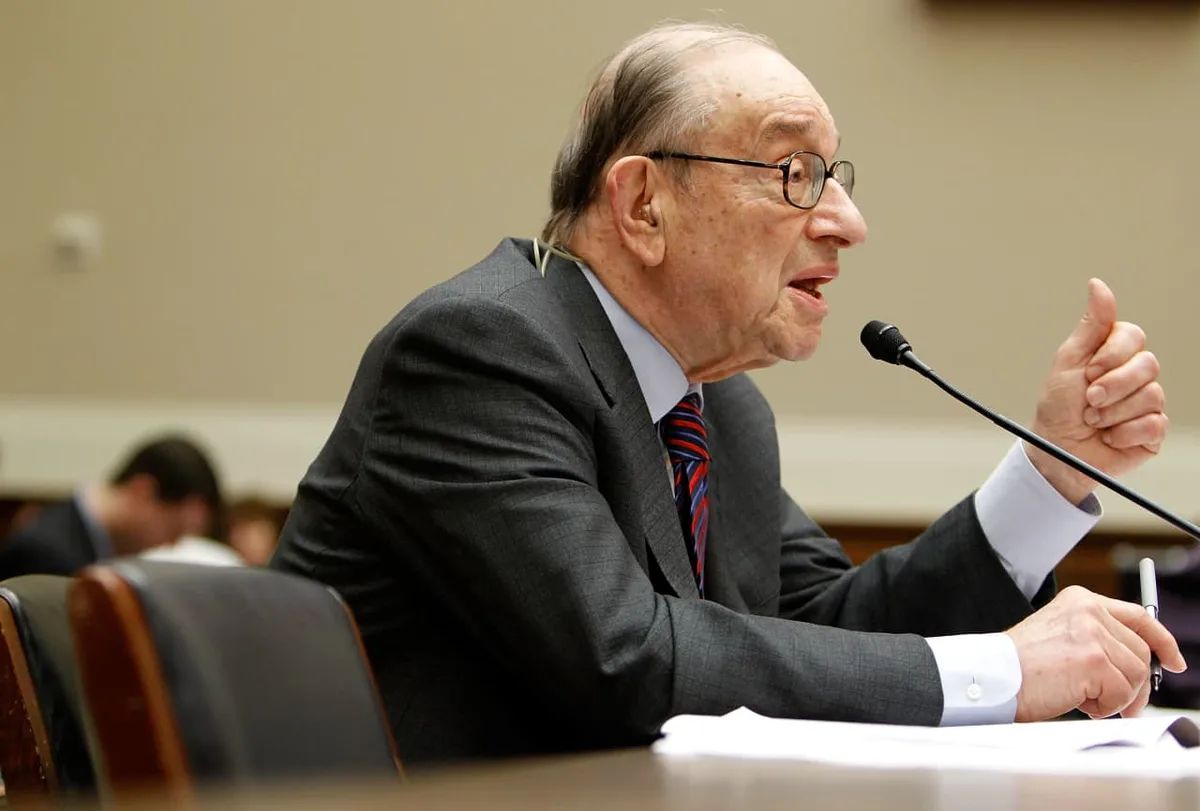
The concept of a central bank 'put' dates back to Alan Greenspan, but here's the thing Wall Street keeps getting wrong: Greenspan wasn't riding to the rescue of stock investors during the dot-com crash. He was following policy rules, not protecting portfolios. The rally you thought he engineered? Mostly coincidence of timing, not intent.
Read more BoE's Mann: Fewer Rate Hike Bets Are Why She'd Hike More →
Fast-forward to today, and the market is betting on what some are calling a 'Warsh put' — the idea that a Fed under Kevin Warsh would cut rates aggressively the moment equities wobble. That's a dangerous assumption. A Fed focused on inflation credibility and fiscal discipline has very different priorities than one laser-locked on asset prices.
If you're long equities purely because you think the Fed has your back, you're trading on a myth. Central banks set policy for the broader economy — unemployment, inflation, financial stability — not to prop up your brokerage account. When those macro goals conflict with a falling S&P 500, guess which one wins.
The smarter trade is to stop outsourcing your risk management to Jerome Powell's replacement and start pricing in a world where the safety net has holes in it. Position sizing, hedges, and cash matter more than ever when the put you're counting on was never written. Continue reading at MarketWatch.com