Warsh's Hawkish Fed Stance Rattles Markets Hard
Kevin Warsh's tough inflation rhetoric sent shockwaves through financial markets, signaling a more aggressive Fed than traders anticipated.
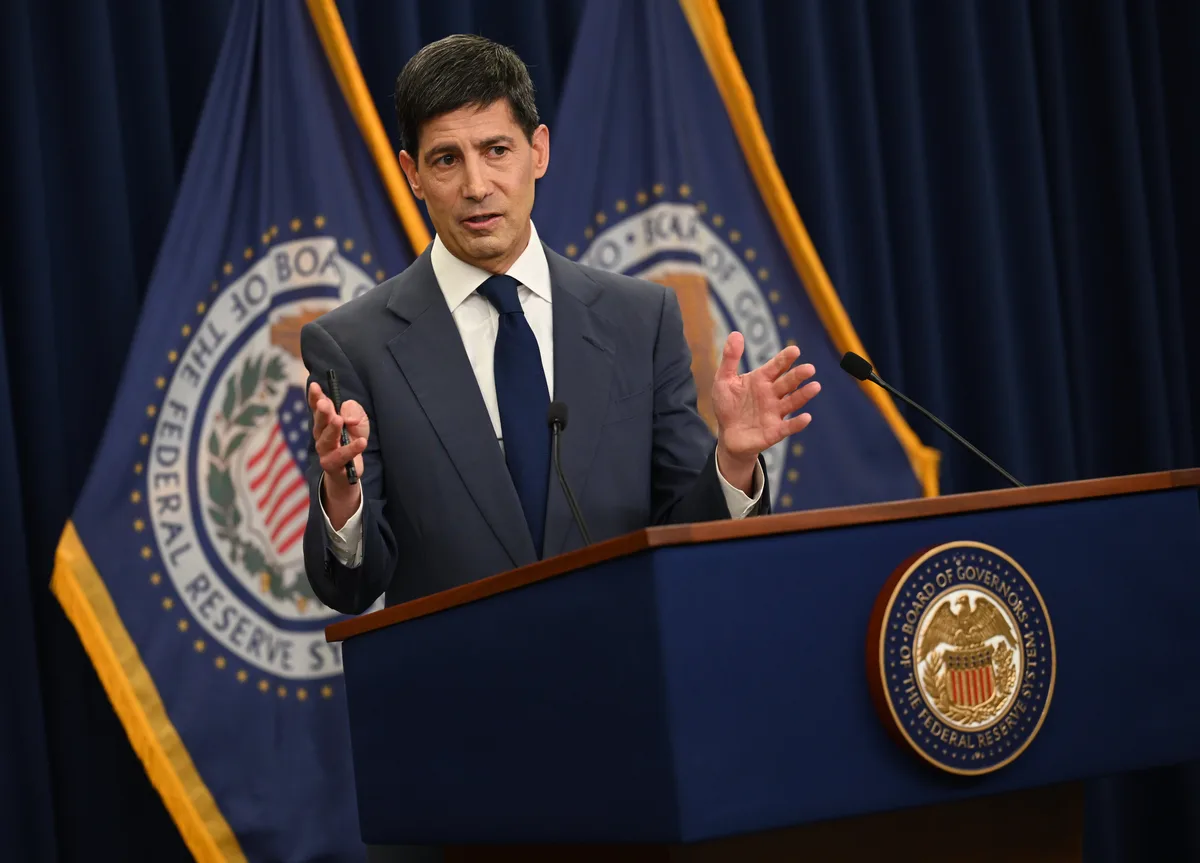
Kevin Warsh just put the market on notice. The Fed chairman's blunt inflation talk Wednesday landed like a cold bucket of water on anyone betting on rate cuts anytime soon. Traders weren't ready for this level of hawkishness, and the reaction across financial markets made that crystal clear.
This isn't the accommodative Fed you got used to over the past few years. Warsh is signaling that price stability is the priority, full stop. If you've been positioned for a dovish pivot, Wednesday was a wake-up call you can't afford to ignore.
Read more BoE's Mann: Fewer Rate Hike Bets Are Why She'd Hike More →
The ripple effects hit fast. Markets repriced expectations almost immediately after Warsh's comments dropped. That kind of swift reaction tells you positioning was way offside — too many players leaning the wrong direction when the chairman decided to get real about inflation.
For retail traders, the play here is simple: stop assuming the Fed has your back. Warsh's Fed looks nothing like the one that bailed out bulls at every dip. Higher-for-longer isn't just a phrase anymore — it's the operating thesis, and your portfolio needs to reflect that reality right now.
Continue reading at US Top News and Analysis