Why 'Buy the Dip' Consensus on Wall Street Is a Red Flag
When everyone agrees a trade is a sure thing, it usually isn't. The buy-the-dip crowd may be setting itself up for disappointment.
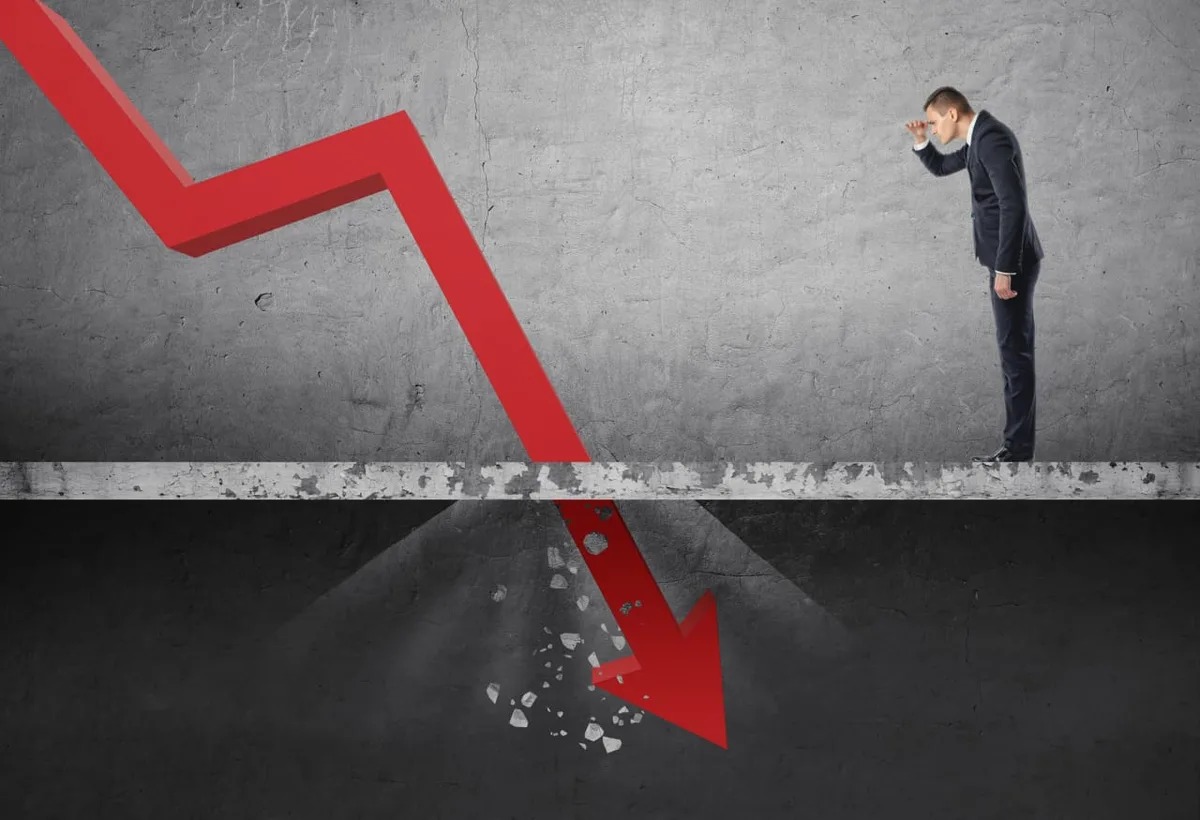
Buy the dip. It sounds like the easiest money in the world, and right now every trader, analyst, and talking head on Wall Street is singing from the same hymnal. That's your warning sign. When a strategy becomes conventional wisdom, the edge evaporates — and the risk quietly balloons.
Here's the uncomfortable truth: buying the dip actually underperforms a simple buy-and-hold approach over the long run. You're not getting paid extra for the stress of timing entries. You're just telling yourself a better story while the index investor next door quietly outpaces you.
Read more BoE's Mann: Fewer Rate Hike Bets Are Why She'd Hike More →
The danger isn't that the strategy never works — it's that it works just enough to keep you hooked. A few successful dip buys build dangerous confidence. Then one day the dip doesn't bounce. It just keeps dipping. And suddenly your "tactical" move is a bag you're holding.
Consensus trades are crowded trades. Crowded trades mean the buyers who would fuel a recovery are already in. There's nobody left to push prices back up when sentiment shifts. That's when the strategy that felt like free money turns into an expensive lesson in market humility.
If everyone at the poker table is playing the same hand, it might be time to reconsider your cards. Don't let Wall Street groupthink run your portfolio. Continue reading at MarketWatch.com